
As we close out 2025, I find myself reflecting not just on the events of the past twelve months, but on the incredible momentum we have built together. This year was defined by a “Global Reset”, a recalibration of how the world cooperates amidst shifting landscapes. For Jacob’s Ladder Africa (JLA), this moment reinforced our commitment to our clear ambition of ensuring Africa’s young people are not merely participants in the green economy, but its builders, operators, and leaders.
Our mission to solve for youth unemployment by unlocking the vast potential of the green skills and jobs agenda remained clear. We began the year knowing that to change the reality on the ground, we also had to change the conversation at the top. From Washington D.C., to Addis Ababa during the Second Africa Climate Summit (ACS2), we carried the case for green jobs and skills into the halls of power, ensuring that workforce development remained central to Africa’s climate and development priorities.
In April, I had the privilege of representing JLA at the Skoll World Forum and the World Bank/IMF Spring Meetings. Whether discussing “Jobs in Transition” with the Oxford Martin School or jobs as the path to prosperity with global leaders, the message of the transition to a green economy being centered on people, skills, and dignity was consistent. This advocacy continued at the Global Landscapes Forum (GLF) Africa in June, where we challenged the old extractive economic models and called for a regenerative, African-led approach.
At home, our innovation engine, greenlabs, fired on all cylinders. We started the year with a high-energy Demo Day in January, showcasing solutions for food systems, and ended it on a high note with the graduation of our fourth cohort in December.
Between these bookends, we launched the Africa Youth Climate Finance Fellowship (AYCFF) in February and celebrated the graduation of our second cohort in March and third cohort in October. AYCFF united 30 outstanding young leaders from 18 African nations, and began the process of equipping them to secure Africa’s rightful share of global climate finance.
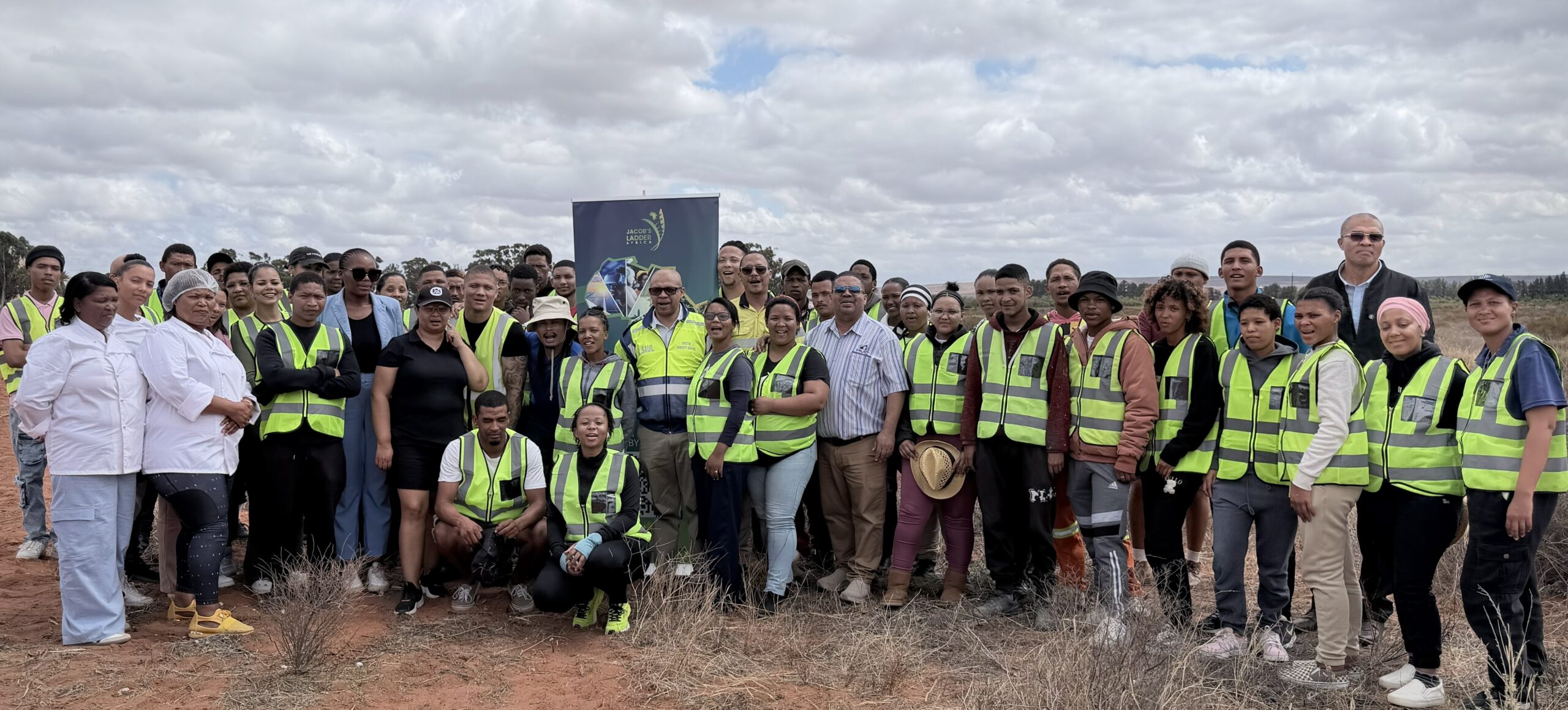
2025 was the year JLA expanded its footprint beyond East and West Africa. In August, we officially expanded into Southern Africa, partnering with the Matzikama Municipality in South Africa’s Western Cape. The Phakama Matzikama Youth Engagement was a powerful launchpad for co-creating pathways for youth employment in a region grappling with high unemployment, like many others on the continent.
We also strengthened our presence in Kenya’s counties. We signed a landmark Memorandum of Understanding with the Murang’a County Government to transform rural livelihoods through climate-resilient crops. Additionally, we partnered with the Kenya Fish Marketing Authority and Makueni County to host the vibrant Catfish Eating Awareness Campaign in Wote, promoting its consumption and highlighting the achievements of the aquaculture entrepreneurs from our Livelihoods Program.
Furthermore, we took the green economy message directly to university campus students through the Green Careers Caravan in September and October, visiting universities in Kisii, Taita Taveta, and Embu to bridge the gap between green skills awareness and the green jobs market.
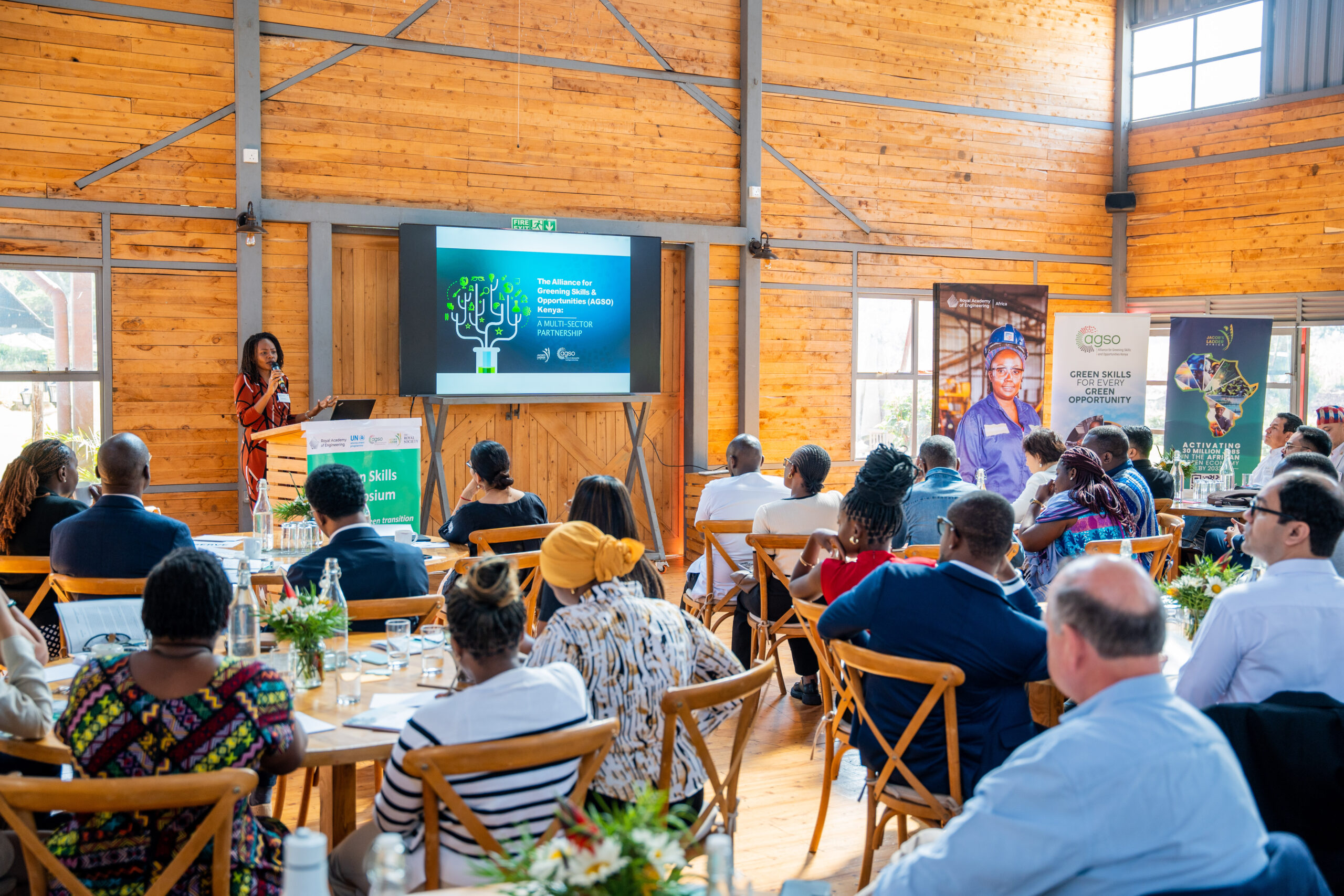
Systemic change requires strong coalitions. This year, we strengthened the Alliance for Greening Skills and Opportunities Kenya (AGSO), refining our National Green Skills Gap Baseline Survey and recently hosting our end-of-year Pitstop. We also played a pivotal role at the Second Africa Climate Summit (ACS2) in Addis Ababa, hosting the Green Jobs and Skills Pavilion with our partners, and leading critical conversations on the continent’s just transition.
Our efforts have not gone unnoticed. In November, we were honored at the 7th ASSEK Annual Conference as the Round Winner for the Land Restoration Enabler Award and First Runners-Up in the Green Economy Champion category.
As we celebrate these achievements, we remain mindful of the challenges ahead. With millions of young Africans entering the job market each year, the stakes are high. However, the only way to navigate a crisis and transform it into a valuable opportunity is by viewing it through the lens of hope. A perspective we will steadfastly uphold as we walk forward.
Thank you to our partners, our dynamic team, and the incredible young people of Africa who fuel our work. Together, we are pushing the needle. Here’s to a restful holiday season and an even bolder 2026.
Sellah Bogonko, HSC Co-Founder & CEO, Jacob’s Ladder Africa