Africa has no shortage of ambition around the green economy. Governments are developing climate strategies, investors are financing new technologies, skills institutions are responding to emerging demand, and entrepreneurs are building businesses around energy, agriculture, mobility, waste and natural capital. The harder question to contend with is what connects these efforts to actual jobs, enterprises and incomes.
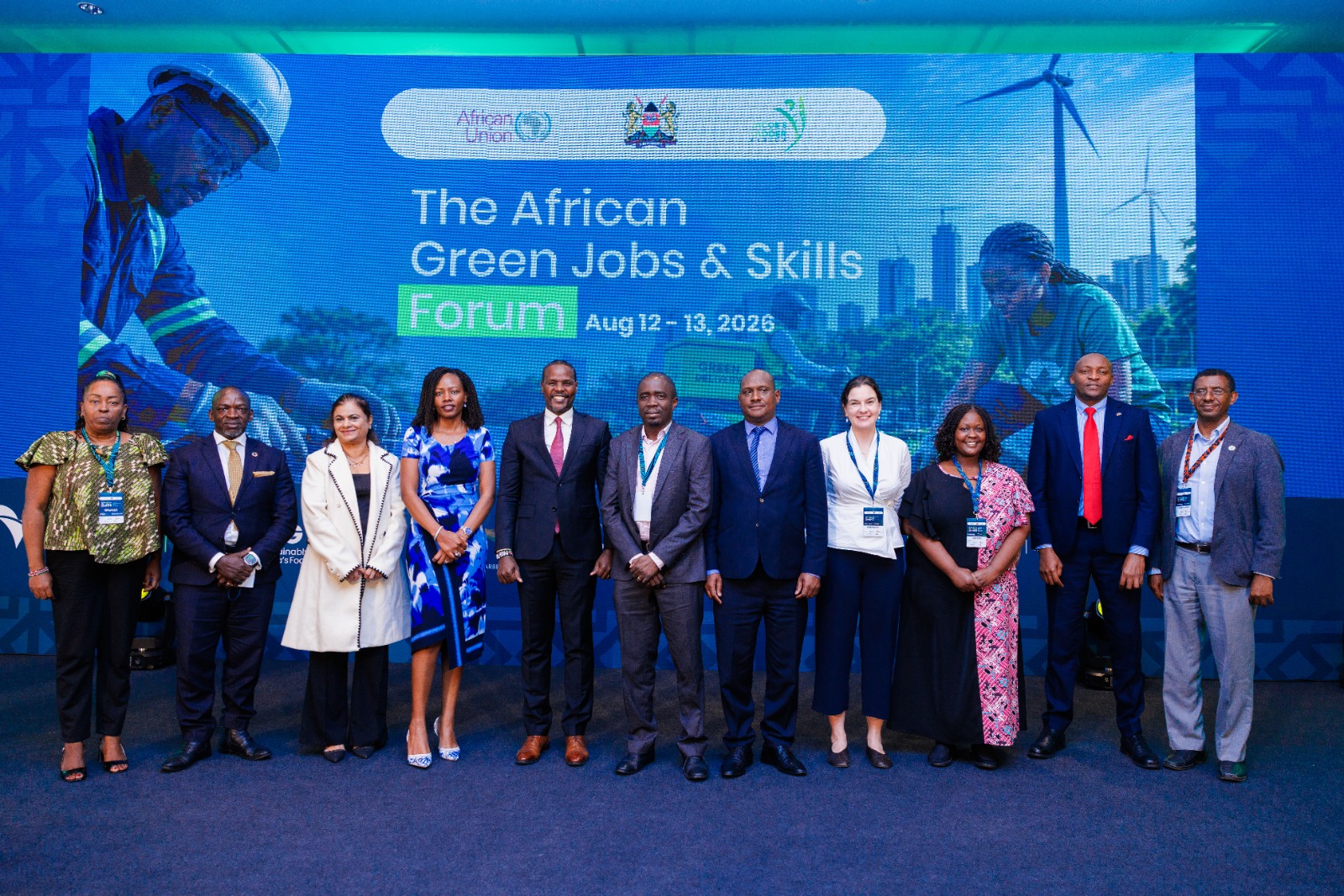
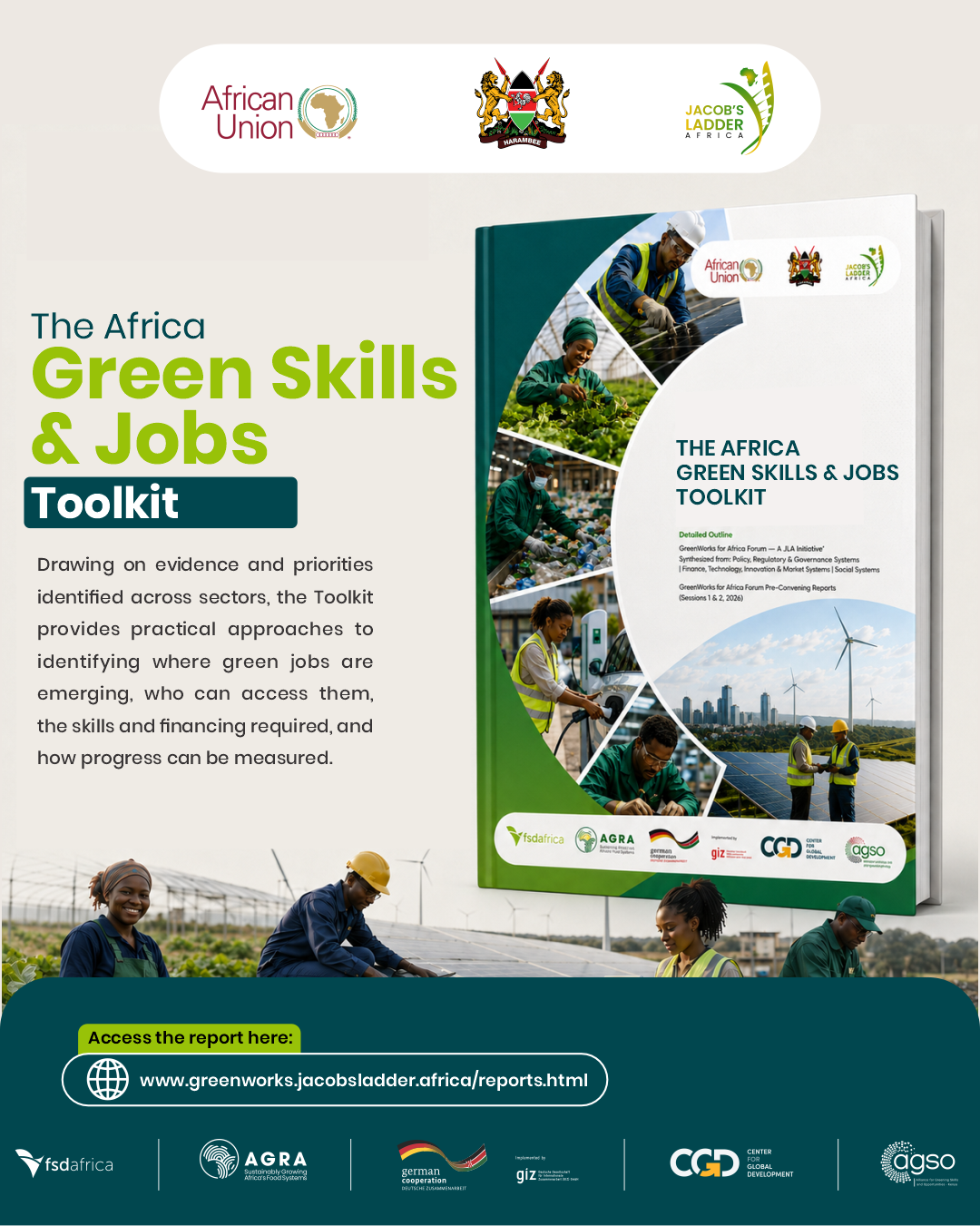
That is the problem the Africa Green Skills & Jobs Toolkit, launched at the Inaugural Green Works for Africa Forum, on 12-13 August 2026 in Nairobi, is designed to address.
Developed through the pre-convening preceding the Forum, the Toolkit starts from a practical diagnosis. Across sectors, Africa has policies, pilots and promising examples, but too often lacks the delivery architecture to move from discussion to implementation, pilots to scale, grants to investment-ready pipelines, and fragmented training to workforce systems connected to real market demand.
The implication is important. Green jobs cannot be created by skills systems working alone. A training programme may produce qualified workers, but if there is no enterprise, investment pipeline, infrastructure or market to absorb those capabilities, the economic value of those skills remains unrealised. Equally, green investment can create new infrastructure without creating substantial local employment or opportunities for African enterprises.
The Toolkit therefore puts five questions at the centre of green jobs planning: Where are the jobs? Who can access them? What skills are needed? What financing is required? How will progress be tracked?
These questions shift the conversation from inputs to pathways. They require policymakers to connect climate and sector priorities to employment opportunities. They require financiers to consider not only what an investment will build, but what enterprises and jobs it can support. They require skills institutions to respond to actual market demand. And they require enterprise development to be treated as part of the green jobs architecture rather than as a separate agenda.
This matters particularly for young people, women and informal workers, who already participate in many of the sectors being transformed. The Toolkit treats them not simply as beneficiaries, but as workers, entrepreneurs, technicians, innovators and economic actors who need access to markets, finance, skills and opportunities to move into more productive activity.
The Toolkit covers six areas with significant potential for green employment, from renewable energy and climate-resilient agriculture to circularity, e-mobility, natural capital and green manufacturing. It also provides practical instruments for diagnosing sectors, mapping job and enterprise opportunities, assessing finance readiness, testing inclusion and tracking results.
Its real test, however, will not be how widely it is cited but whether it helps change how green investments are designed, how skills systems respond to markets, how enterprises enter and grow within green value chains, and how governments measure the employment dividend of the transition.
Africa’s green transition will not create jobs simply because the economy becomes greener. The jobs dividend will depend on whether Africa deliberately builds the systems that connect green growth to skills, enterprises, markets and productive work.
That is the shift the Toolkit is intended to support.
Explore the Africa Green Skills & Jobs Toolkit and other GreenWorks 4 Africa reports