Africa needs skills. Millions of young people still lack access to the education, training and practical capabilities that can give them a real foothold in the economy. In many parts of the continent, even reaching the starting line of economic opportunity remains difficult. However, what happens after the skills are acquired?
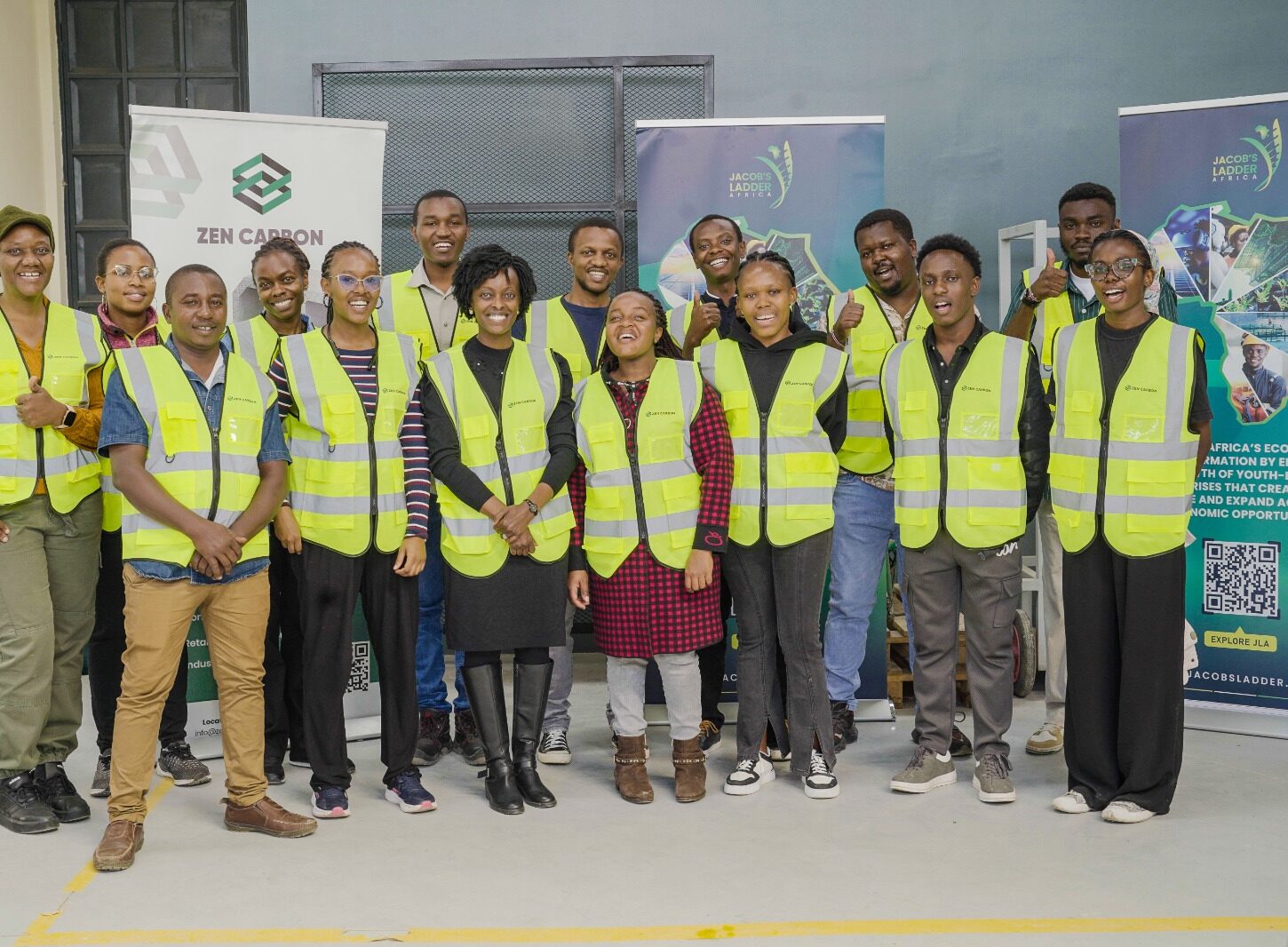
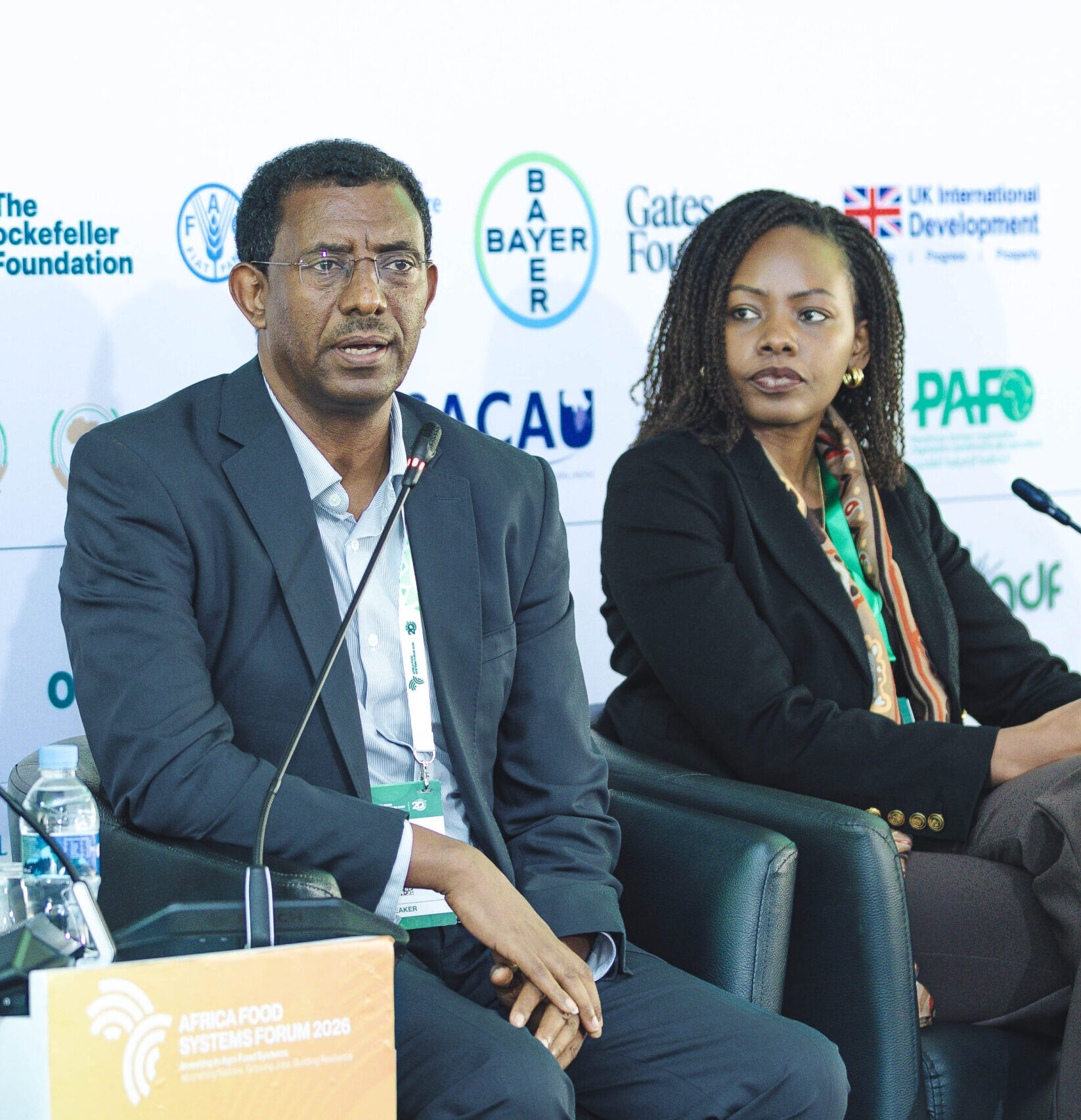
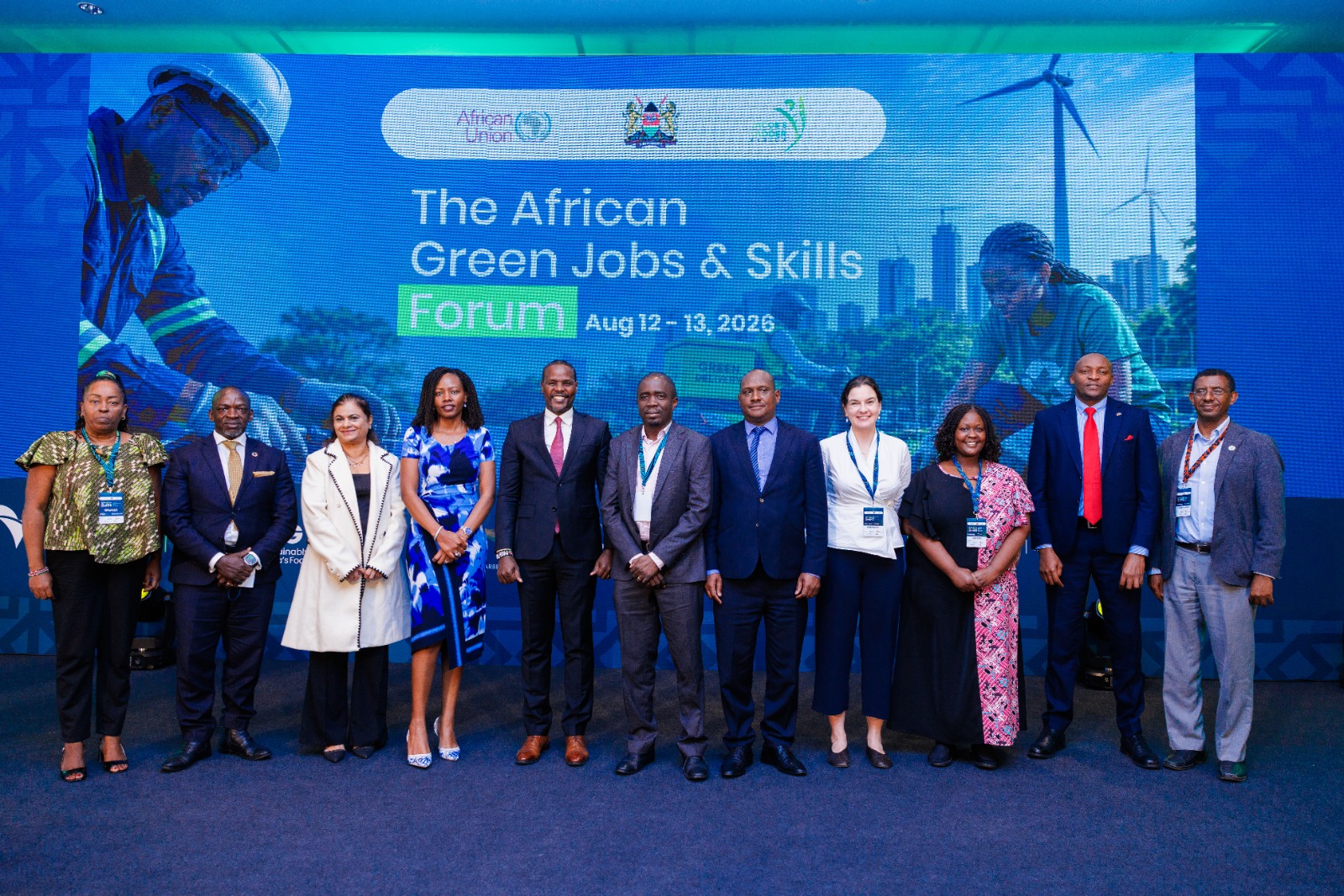
The inaugural GreenWorks 4 Africa: The Africa Green Skills and Jobs Summit, which took place between 12-13 August 2026, was convened by Jacob’s Ladder Africa (JLA) in partnership with the African Union Commission, the Government of Kenya, FSD-Africa, AGRA, GIZ, and the Center for Global Development (CGD). The forum brought together governments, businesses, investors, development institutions, educators, researchers, entrepreneurs and young people to examine what it will take to turn Africa’s green transition into productive employment and economic opportunity.
What emerged was that skills, enterprises and jobs are inseparable parts of the same economic system. A young person may need skills to enter a value chain but those skills only become economically productive when there is an enterprise, employer, market or productive activity capable of using them and enterprises cannot create jobs or absorb talent if they cannot access finance, markets, infrastructure, technology or an enabling regulatory environment.
This relationship was visible across the value chains examined at the Summit as well from a report from FSD-Africa that shows that Africa’s green opportunity is not confined to large infrastructure projects or highly specialised technical occupations. It is also emerging in decentralised energy, clean cooking, climate-resilient agriculture, waste and recycling, electric mobility and the services that support these markets. These are value chains in which African businesses can participate, grow and create work.
The opportunity, therefore, is not simply to prepare young Africans for green jobs. It is to build and enhance the economic activity that creates demand for their skills. That takes coordination, which is what the Alliance for Greening Skills and Opportunities (AGSO-Africa) exists to provide. Hosted by Jacob’s Ladder Africa (JLA), which also serves as its secretariat, AGSO-Africa advanced its continental mandate at the summit. It brings together governments, employers, investors, skills institutions, development partners, entrepreneurs, and young people around a shared agenda. The aim is to move green skills and jobs from a specialist policy concern into mainstream planning, investment, enterprise development, and workforce decisions, so that skills development connects directly to where jobs are created.
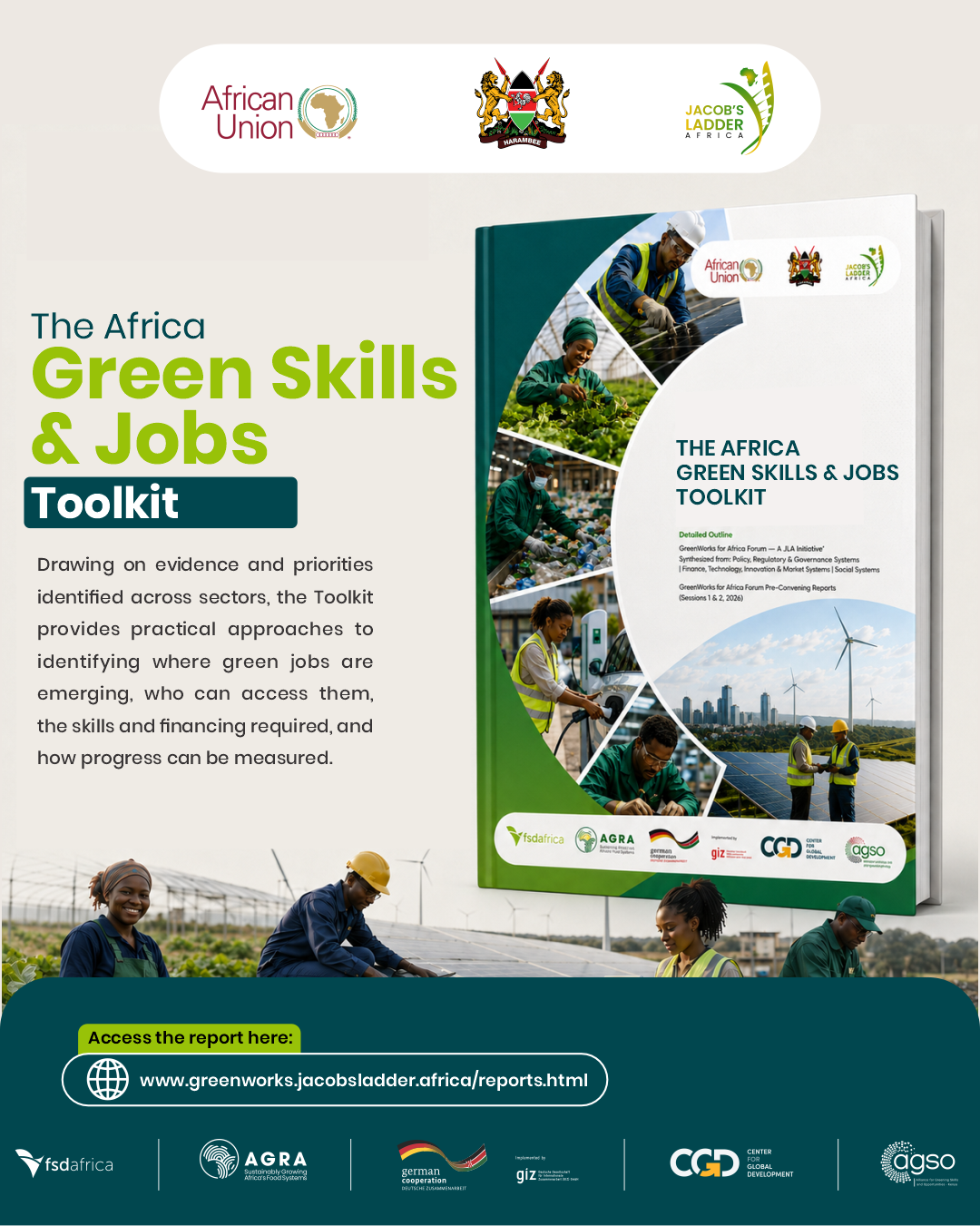
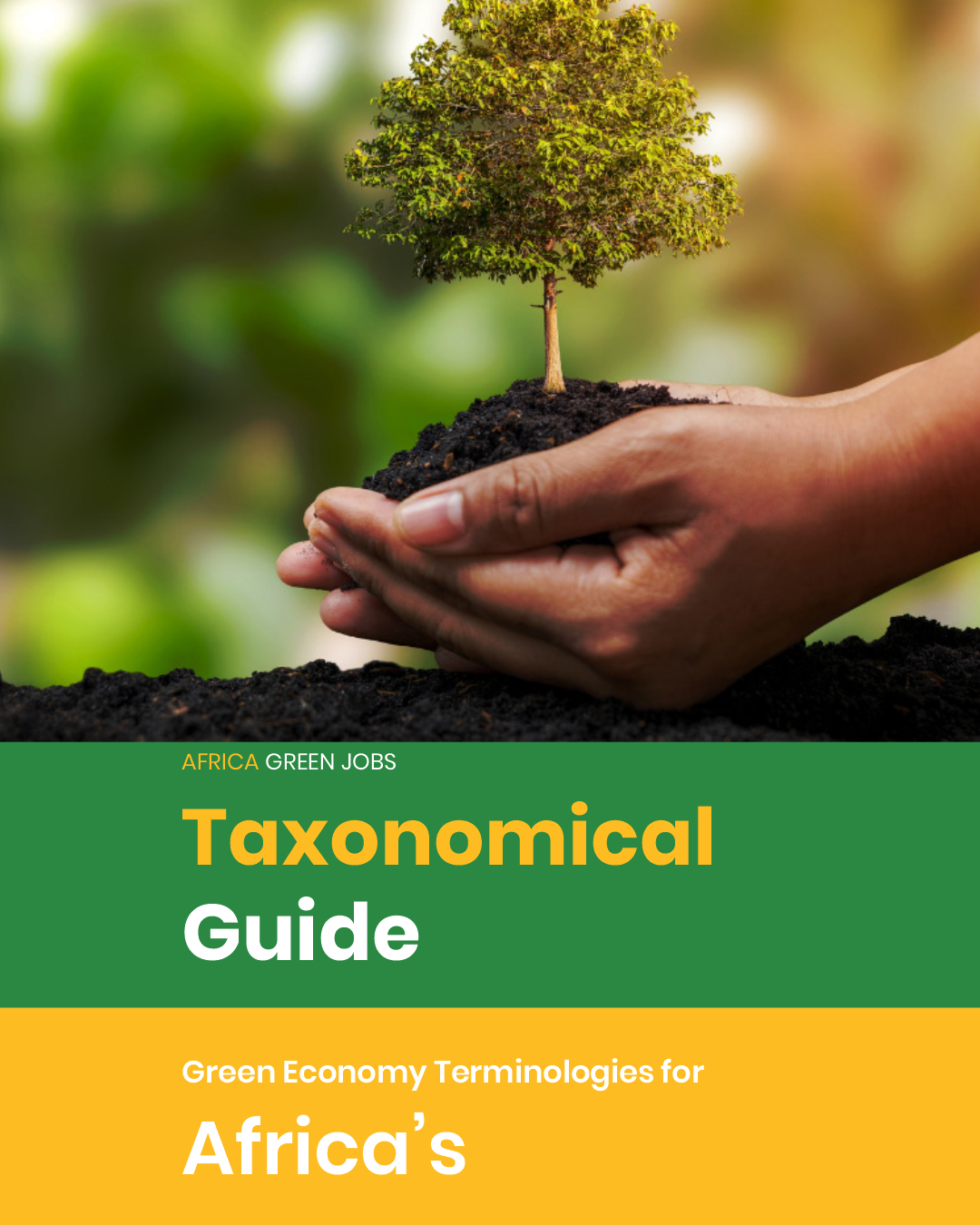
The GreenWorks 4 Africa Forum also produced two tools to support stronger alignment across these systems. The African Green Jobs Taxonomical Guide provides a shared, Africa-contextualised language for defining and understanding the green economy, grounded in African frameworks and real-world applications. The Africa Green Skills and Jobs Toolkit builds on that foundation by setting out practical pathways across priority sectors and connecting policy, finance, skills and TVET systems with market demand, enterprise development, local value creation and accountability. Together, these tools give AGSO-Africa and other continental actors a common foundation to strengthen coordination, align investment and action, while advancing a coherent green skills and jobs agenda across Africa. These instruments point to a different model, one that defines the opportunity, aligns the systems needed to create it, and measures whether value is reaching young people, workers and enterprises. This is the agenda Africa should carry towards COP32 in Addis Ababa in 2027.
Youth unemployment is often reduced to a statistic but beneath the numbers is a crisis of dignity and a vast accumulation of unrealised potential. It is lost income, lost enterprise creation, lost innovation, lost tax revenue and lost prosperity. It is millions of young people unable to translate their energy and capability into a meaningful economic stake in their societies. The consequences extend further. If Africa cannot create productive pathways for its growing population while simultaneously transforming how it produces energy, food, moves people and goods, manages waste and uses its natural resources, the costs will not remain contained within employment policy. Economic exclusion, environmental degradation and climate vulnerability can reinforce one another, creating consequences that compound across generations.
GreenWorks 4 Africa made the case for looking at what’s working across the entire chain. The task ahead is to connect all the pieces deliberately and at scale because Africa’s green transition will ultimately be judged not only by how much investment it attracts or how many people it trains, but by how much productive economic opportunity it creates, who is able to participate in it, and whether that opportunity is strong enough to carry Africa’s young population towards prosperity rather than exclusion.