
Some events leave you with a report to write. Others leave you with questions that continue to shape how you think long after the room is empty.
That is why the IDA (WORLD BANK) YOUTH ENGAGEMENT FORUM felt particularly significant.
When I was first added to a group chat titled World Bank VP Event, accompanied by a brief calling for an informal, high-energy conversation about jobs and youth, I was immediately intrigued. Perhaps that is because those are two topics I think about often.
As a young Kenyan, I find myself constantly noticing two realities unfolding at the same time. One is the frustration and sometimes hopelessness that many of my generation feel as they struggle to find meaningful economic opportunities. The other is a growing green economy creating entirely new industries, careers, and possibilities.
The irony is that these two worlds should be meeting, yet too often they pass each other by.
More and more, I find myself asking: How do we become better at connecting young people to the opportunities already beginning to shape Africa’s future?
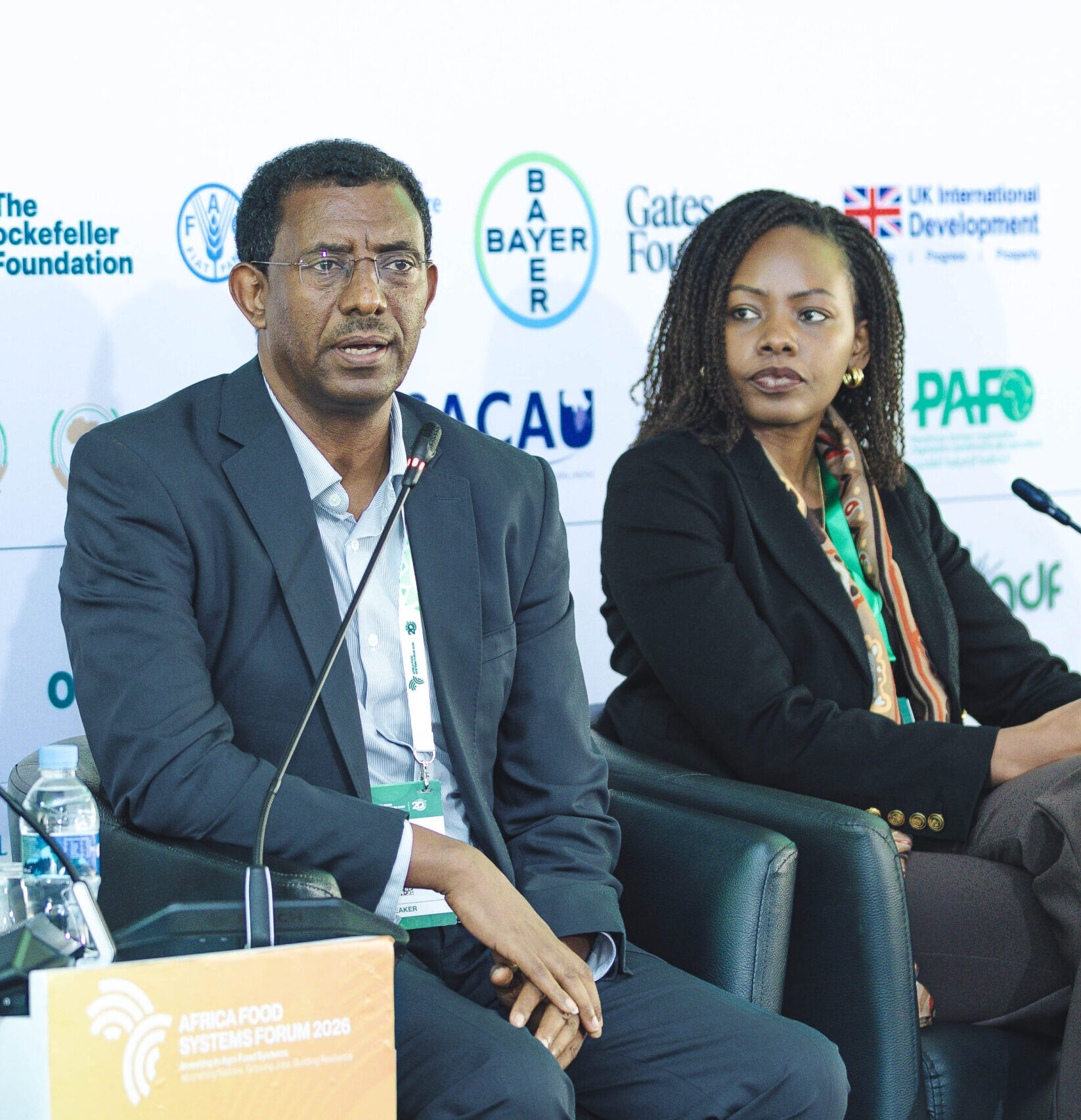
The forum brought those worlds together. Convened by Jacob’s Ladder Africa and moderated by the Co-Founder & CEO, Sellah Bogonko, it created a direct dialogue between Kenyan youth and Aki Nishio, Vice President of Development Finance (DFi) at the World Bank, alongside Roya Rahmani, Director of Global Engagement. At a time when the International Development Association (IDA) is sharpening its focus on job creation, the conversation gave young people the opportunity to engage directly on the policies, priorities, and investments shaping jobs, innovation, and economic opportunity across Kenya and Africa.
For a continent where most of the population is under 35, jobs are about far more than employment. They represent dignity, hope, and the ability to shape one’s future. But creating jobs is only part of the equation. The real challenge is ensuring young people are equipped, connected, and positioned to access them.
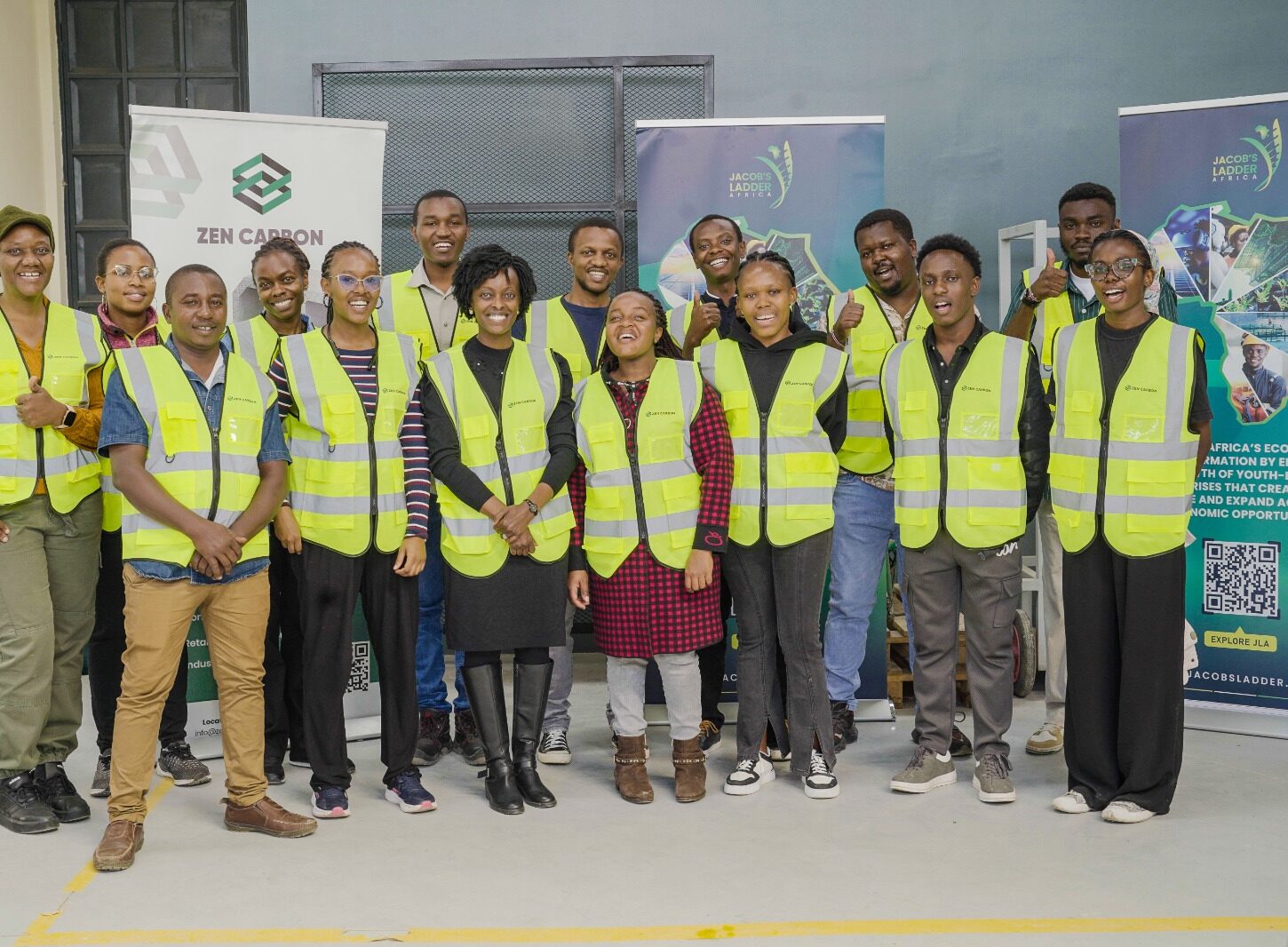
If you were in the room, you would remember the energy. There was laughter, networking, content creation, and the unmistakable confidence that has become synonymous with Kenya’s Gen Z generation. But while the energy was memorable, it was not the most important thing in the room.The most important thing was agency.
Young people were not there simply to listen. They challenged assumptions, asked difficult questions, and spoke openly about skills, entrepreneurship, financing, and the barriers that continue to limit opportunity. They were not treated as beneficiaries of development, but as contributors to it. As I listened, I found myself reflecting on a lesson that sits at the heart of community building: sustainable solutions cannot be designed for communities and then delivered to them as finished products. They must be built with communities.
Too often, institutions approach communities with answers before fully understanding the questions people are asking. Yet the young people in that room were not asking to be rescued. They were asking to be included, trusted, and recognized as partners in shaping the future. That is where organizations like Jacob’s Ladder Africa have an important role to play.
Across Africa, the green economy is creating new opportunities in renewable energy, sustainable agriculture, the circular economy, and climate innovation. Yet many young people remain disconnected from these opportunities. Bridging that gap requires more than training programmes. It requires ecosystems that connect young people to skills, networks, mentors, and pathways into the future of work.
As I left the forum, I found myself reflecting on a simple shift in thinking. Perhaps the future of youth engagement is not asking, “How do we help young people?”. Perhaps the better question is, “How do we build with young people?”. Because young people do not need a seat at the table. We need a hand in building it.