
The conversation about Africa’s green transition is becoming increasingly sophisticated. We now discuss climate finance, carbon markets, critical minerals, green manufacturing, and industrial policy with real fluency. Governments are publishing strategies. Investors are mobilising capital. Institutions are announcing commitments. Beneath all of this sits a question that receives far less attention. Who will own the green economy being built?
Ownership matters because economies are shaped not by which sectors grow, but by who participates in the value those sectors create. A continent can host an industry without controlling it, supply labour without building wealth, export resources while importing prosperity. Africa has lived this story before.
The numbers say we risk living it again. Globally, youth unemployment climbed to 12.4% in 2025, and 260 million young people are neither working nor in school (ILO, Employment and Social Trends 2026). In Africa, roughly 11 million young people enter the labour market every year; only about 3 million find formal jobs (African Development Bank, AM2026). The green economy is one of the few growth frontiers large enough to close that gap, but only if Africa builds the systems to capture its value, not just supply its labour. The AfDB estimates the continent faces a $1.3 trillion annual financing shortfall, against $1.43 trillion that could be unlocked through reforms in tax collection, efficient public investment, staunching illicit financial flows and corruption, deeper capital markets, expanded public-private partnerships, diaspora financing, and better use of natural capital.(AfDB, African Economic Outlook 2026). That is a governance problem before it is a financing one.
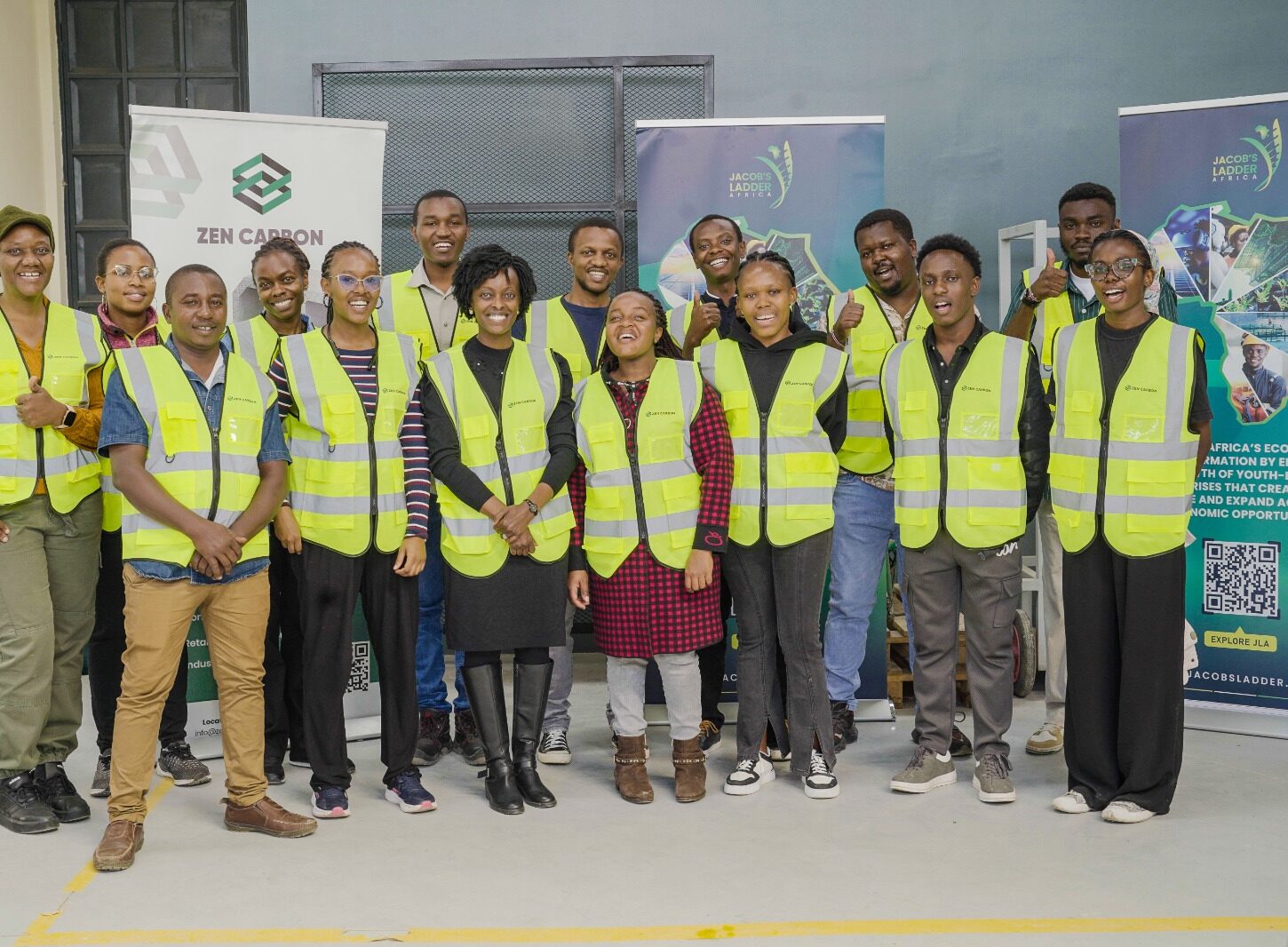
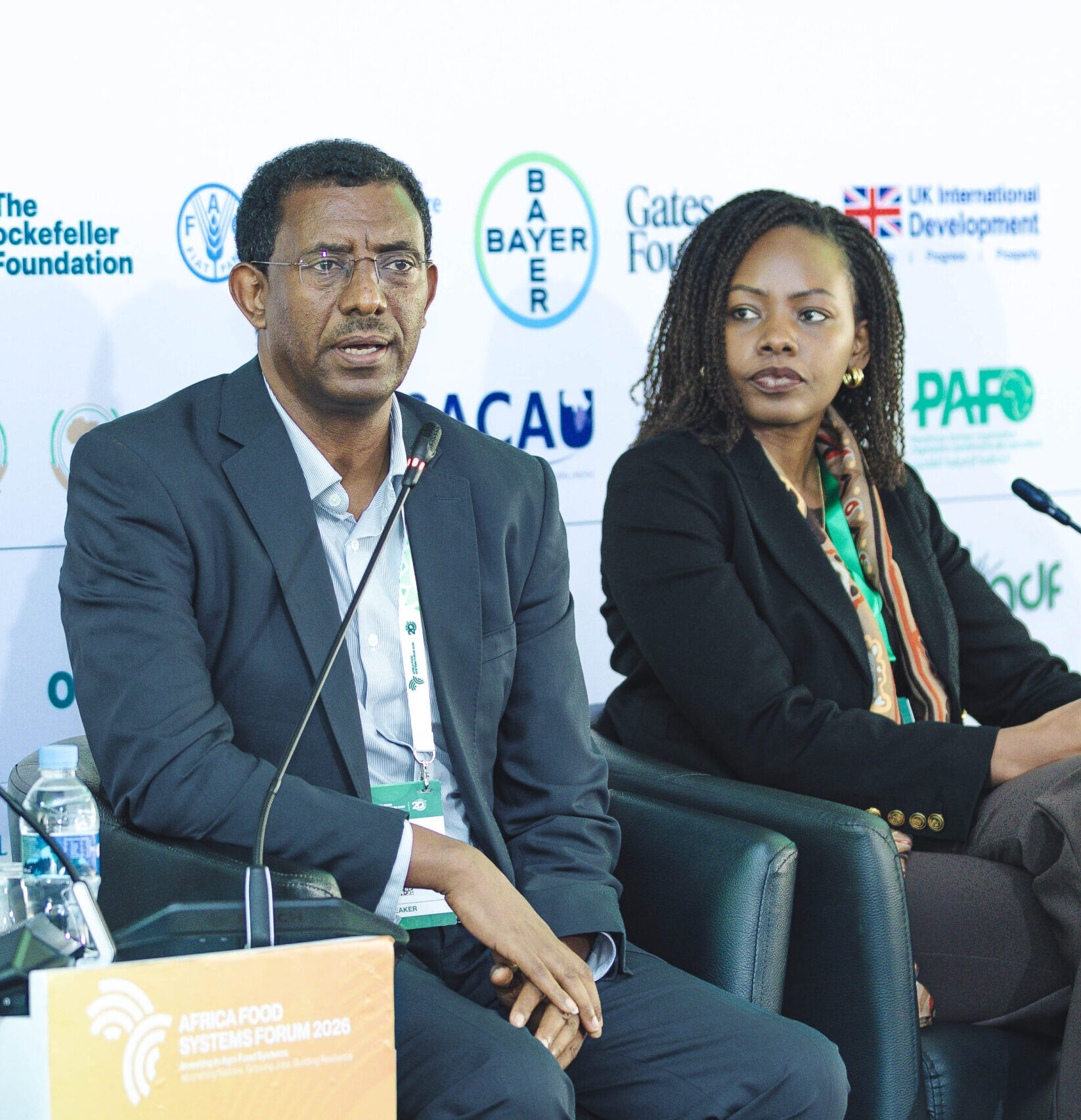
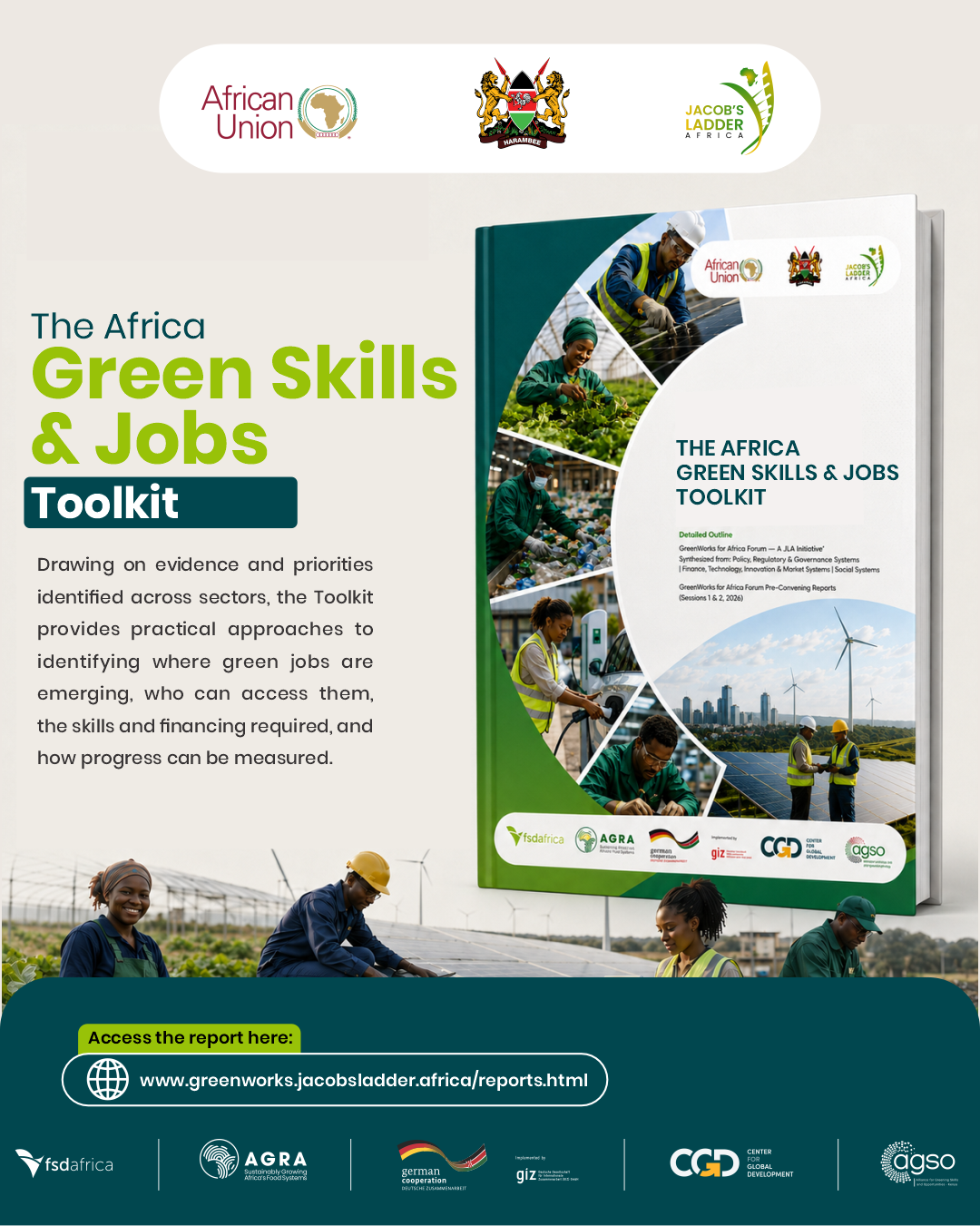
This quarter, that question surfaced repeatedly across our work. It emerged at the JLA-IDA Youth Engagement Forum, where young people challenged institutions to move beyond consultation and towards genuine ground-level co-creation. It was evident in South Africa’s Matzikama region, where communities are beginning to explore how the green economy can translate into livelihoods, enterprise creation, and local economic resilience. It also underpins this issue’s feature on green enterprise, which argues that the difference between a green job and a green enterprise is ultimately the difference between participating in the economy and owning a stake in it. And it lies at the heart of the upcoming GreenWorks for Africa Forum, where leaders from across sectors will come together to examine how green growth can become a catalyst for broad-based economic inclusion rather than simply another climate agenda.
Skills matter. Investment matters. Policy matters. None of these, alone, is sufficient. Transformation happens when institutions, markets, finance, education, and governance move in concert. The task before Africa is therefore larger than preparing young people for the future of work. It is preparing them to shape it. That requires a different kind of leadership. One willing to move beyond programmes and projects towards building the systems that enable opportunity to endure.
The future of Africa’s green economy will ultimately not be determined by the technologies we adopt or the commitments we announce. It will be determined by whether the continent succeeds in converting demographic potential into economic agency. That is the challenge before us. And it is one worth meeting.